How Hot Does Steel Have to Be to Melt in Real Manufacturing Conditions
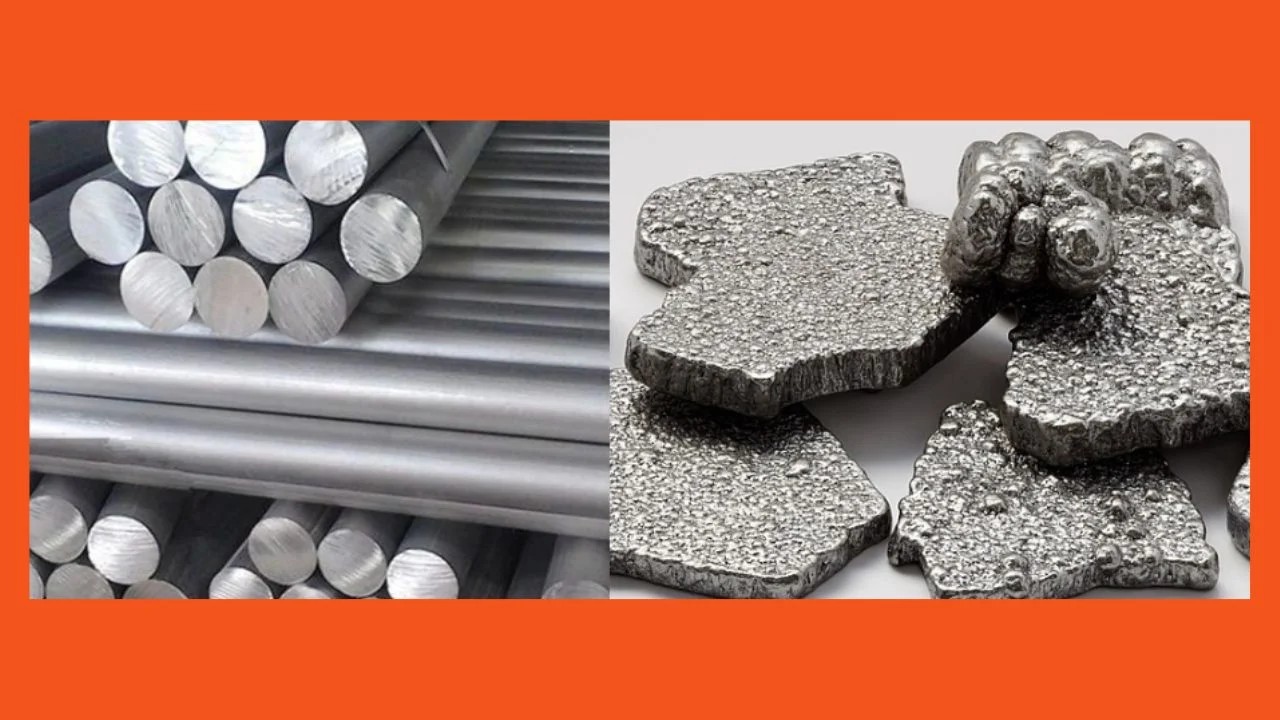
The manufacturing industry has been dominated by steel; it is utilized in the building of structures, machines, tools, and other products. It is extremely strong and hard, hence making it the choice in demanding applications, but one should be aware of how it responds to heat. The question that will be left is how hot does steel have to be to melt. The melting temperature of steel is normally between 2500 and 2800 degrees Fahrenheit (1370 and 1540 degrees Celsius). But this temperature may vary according to the type of steel used, the heating used, and the quantity of production.
Why Steel Does Not Have One Exact Melting Point
Steel does not melt at a given temperature as compared to pure metals. It is an amalgamation of carbon, chromium, and nickel alloys of iron. The association between atoms varies in these influences, which also influences the melting point. The range of the melting point of mild carbon steel is higher, and that of stainless steel is lower since it has anti-corrosive elements. Melting points vary by hundreds of degrees depending on small chemical changes, hence the engineers do not consider single melting points but the ranges.
Industrial Furnaces and Melting Steel
In large manufacturing plants, steel is melted in very strong industrial furnaces that have a high temperature to melt the metal to a liquid above the melting point in order to ensure the correct flow of the metal. Scrap steel is recycled in an electric arc furnace, where arcs produce heat up to 3,000 degrees Fahrenheit by passing electric current through carbon electrodes. In the induction furnaces, metal is heated through magnetic induction that leads to internal heating. Both types have been developed to safely pass beyond the melting point for pouring, refining, or shaping during manufacturing.
Heat Levels in Welding and Fabrication
It is not always necessary to melt whole pieces of steel to manufacture them. In the course of welding and fabrication, heat is usually applied to a localized area, and when two pieces are joined together. The arc of welding can quite easily attain above 6,000 degrees Fahrenheit, which is significantly hotter than the steel’s melting point. This high temperature only fuses the sides of the metal components joining. The solid bond that is formed by the cooling of the molten steel joins the parts together. The material around is solid, which is useful for maintaining the shape and strength of the structure as a whole. This heat is controlled since excessive heat will cause thin sheets of metal to bend or undermine surrounding portions of the part.
Heat Used in Cutting and Shaping Steel
There are also cutting processes that depend on the temperatures, which are at least the melting point of steel. All four types of cutting, laser cutting, plasma cutting, and oxy-fuel cutting, involve the use of concentrated heat to cut metal following a specific line. Laser cutting is the method of cutting by using a narrow beam to heat the metal of the steel until it melts or vaporizes. A blast of gas is then used to blow off the molten metal, resulting in a line of cut. Plasma cutting involves a high-energy electrical arc, and this arc can attain very high temperatures, easily exceeding the melting range of steel. Oxy-fuel cutting is performed slightly differently by heating the steel till it reacts to oxygen so that the metal burns and separates along the cut.
Why Real Manufacturing Temperatures Are Often Higher
Although the melting point of steel lies between 2,500 and 2,800 degrees Fahrenheit, the manufacturing of the same is usually performed at a temperature that is beyond the limit. Higher temperatures result in a higher rate of metal melting, improved flow, and enhanced shaping or cutting behavior. In the event that the temperature remained just a bit higher than the melting point, the metal could either cool too fast or be too dense and unmanageable. Excessive heat will keep the molten steel soft, allowing the process to be completed. Engineers, therefore, design the equipment such that they provide temperatures that are well above the basic melting range.
Conclusion
Steel typically fuses between approximately 2,500 and 2,800 degrees Fahrenheit, although actual production conditions can be much higher. There are furnaces, welding machines, and cutting machines that all consume a lot of heat to melt or bend steel effectively. Understanding these temperatures helps manufacturers with quality control, equipment protection, and the production of high-quality metal products used in most industries daily.