How Inconsistent Sheet Material Strength Creates Press Brake Rework Issues
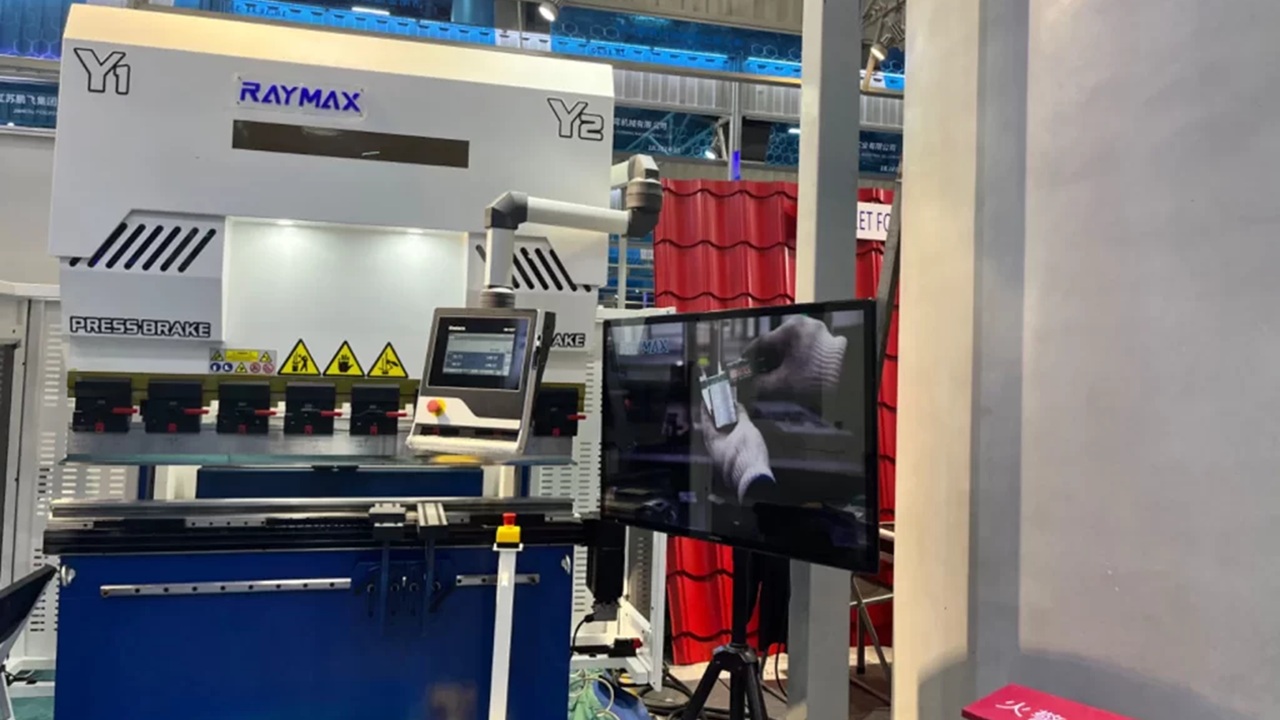
Most bending difficulties are attributed to the press brake. Operators may feel that the tools are worn out, the programming is incorrect, or the machine is poorly calibrated when angles start shifting. The occurrence of bends is a sheet strength variation. Even though the sheet thickness and quality are the same, their bending characteristics will vary due to differences in hardness, yield strength, rolling orientation, and batch origin. This affects bending, leading to angle variations, adjustments, and unstable quality. The article explains how inconsistent strength impacts results and why rework often starts before the sheet reaches the press brake. Learn more about Raymax’s systems at their website.
Why Material Strength Matters in Bending
During bending, the press brake applies force until the sheet changes shape, depending on the material’s strength. Stronger sheets bend less than softer ones. If two sheets react differently under the same program, the final angles may differ: one may spring back more, while another may bend too much. This causes inconsistency despite unchanged settings. Operators often blame the equipment, but the material may be the real cause.
Different Material Batches Behave Differently
Material suppliers produce sheets in multiple batches, with slight variations in internal strength that affect precision bending. A program that worked last week may produce incorrect angles in new batches, leading to repeated corrections, trial bends, and extra inspections in busy workshops.
Springback Changes with Material Strength
Springback indicates strength variation; stronger materials, such as stainless steel, high-strength steel, and aluminum, exhibit greater springback. Softer materials create less. Using the same bend depth causes angle inconsistencies, especially with sensitive materials. This can lead to noticeable angle changes, prompting factories like RAYMAX to monitor springback during initial inspections.
Thin Materials Often Show Problems Faster
Thin sheets react more strongly to material inconsistency than thick plates. Small strength variations cause minor angle differences in thick material, but major drift in thin sheets. This affects electrical cabinets, decorative panels, and precision brackets, where angle accuracy impacts assembly quality. Operators may spend extra time adjusting programs without realizing the root cause is the material.
Rolling Direction Also Affects Bending
Sheet metal has a grain direction from rolling, affecting bending results. Parallel bends may show more springback or unevenness. Variations in sheet orientation can lead operators to mistakenly suspect press brake instability, but the real issue is changes in material behavior. Many experienced factories document the rolling direction in their bending records.
Rework Usually Starts with a Small Angle Drift
Most rework issues don’t start with big defects. They begin with small, harmless angle deviations. Operators correct angles manually, and over time, corrections mix, reducing stability. Parts no longer fit properly, hole positions shift, and welding or installation problems arise. Identifying the cause then becomes difficult.
Why Operators Sometimes Overcorrect
When angle variation occurs repeatedly, operators tend to make larger adjustments. But if the real problem stems from inconsistent material strength, these corrections can cause more instability. Some batches need more compensation, others less. Excessive adjustments between batches confuse and extend setup time. That’s why controlled first-piece inspection is crucial before full production.
Material Inspection Is Often Incomplete
Many workshops carefully inspect sheet thickness but pay less attention to material strength consistency. Measuring thicknesses is very fast, whereas yield strengths are difficult to determine without testing. This results in problems with materials that are only detected at bends. Manufacturers such as RAYMAX often emphasize that bending quality depends not only on machine accuracy but also on stable material conditions throughout production.
Long Parts Make Material Problems More Visible
Long workpieces usually make material inconsistency easier to notice. Variations in strength across the sheet can create uneven angles from one end of the part to the other. This may appear as twisting, inconsistent flange dimensions, or visible assembly gaps. Operators sometimes first blame crowning settings or machine deflection, but material inconsistency may already be contributing to the issue.
Process Records Help Reduce Rework
One of the best ways to reduce rework is to maintain proper production records. Recording material suppliers, batch numbers, compensation values, and successful bending settings helps operators react more consistently when material changes occur. Without records, every new batch becomes a trial-and-error process. Many production teams using RAYMAX equipment build internal databases that track how different material batches behave during bending operations.
Conclusion
Inconsistent sheet material strength often causes press brake rework. Variations in material, even with unchanged machine, tooling, and programs, can lead to angle drift, springback issues, and assembly problems. Workshops tend to focus on troubleshooting equipment but overlook material quality. Stable bending relies on controlling both the machine and the sheet. Monitoring material batches, recording results, and verifying first-piece accuracy help reduce rework and ensure consistent bending.