The Role of Mulcher Teeth in High-Performance Forestry Operations
The efficiency, precision, and durability of land clearing and vegetation management in the present forestry operations are critical to success. Mulcher teeth are one of the numerous factors that can affect the performance of forestry machinery. These small but effective cutting elements characterize the effectiveness of machines in chopping trees, branches, and stumps into usable resources. High-quality mulcher teeth will be required to ensure the consistency of the work of even the most advanced forestry equipment in the conditions of a hard environment. How Long Do Forestry Mulcher Teeth Last on Average? It is a valuable question that can help operators become familiar with the wear patterns and schedule maintenance effectively.
Function of Mulcher Teeth in Forestry Equipment
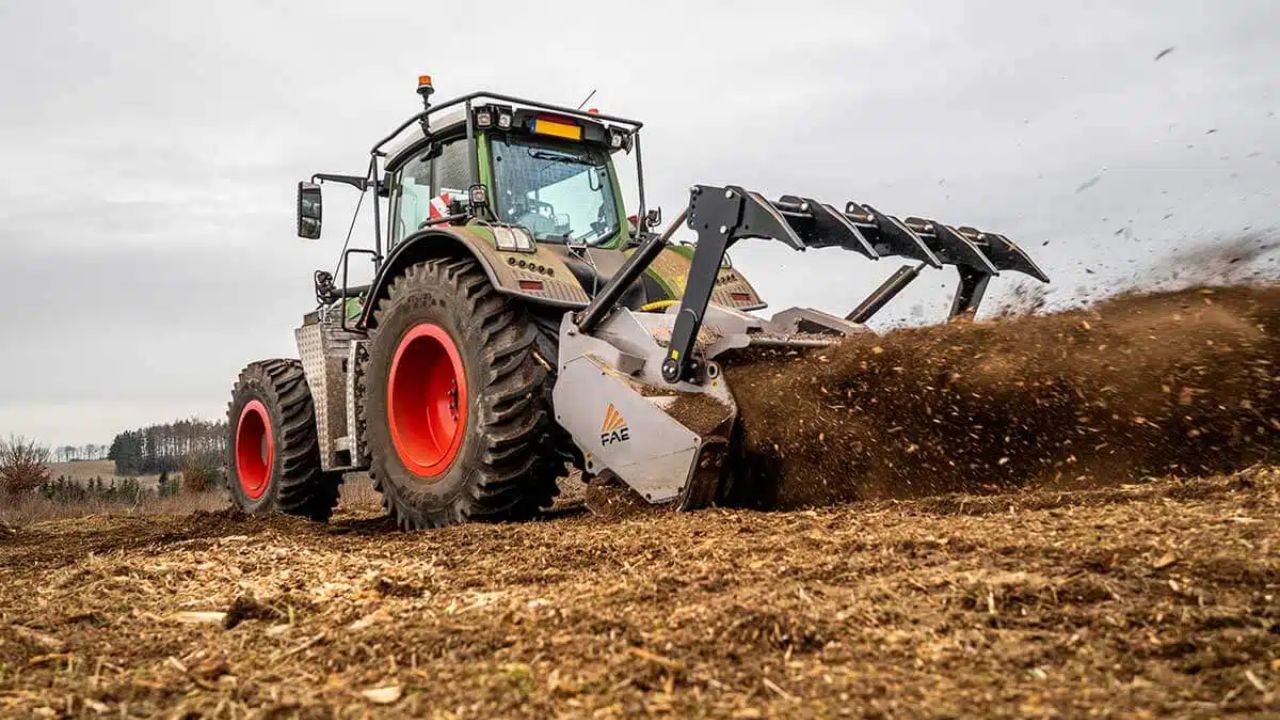
The most common cutting tools fitted to forestry mulchers and the like are the mulcher teeth. Their primary role is to cut and chop vegetation into fine material, which is easily handled or left to form natural mulch. These teeth move with very high velocity and hit trees, branches, and undergrowth with such tremendous power as to shred them effectively.
Mulcher teeth are required to cut a very diverse range of materials in high-performance forestry work, ranging from soft vegetation to tough hardwood and even partially buried roots. These conditions enable them to work in such diverse conditions, thus making them indispensable in clearing the land, maintenance of roads, prevention of wildfires, and in site preparation. The slicing effect of these teeth also makes sure that a substantial portion of land is cleared in a very short time, saving on manual labor and time in operation.
Role in Challenging Working Conditions
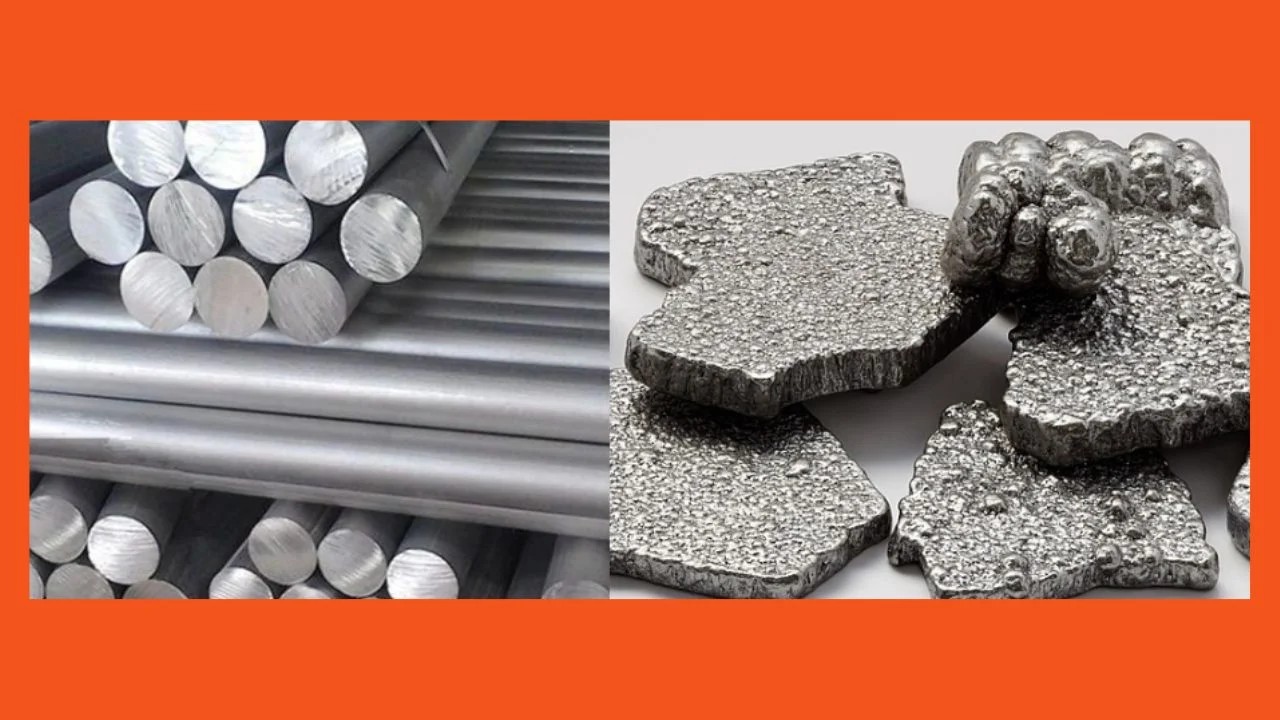
The environment of forestry is usually uncontrollable and rough, with rocky land, thick vegetation, and debris that is concealed. Under these circumstances, the mulcher teeth are exposed to uninterrupted blows and abrasion. To overcome these challenges, high-performance teeth are designed with hardened steel or carbide tips that are long-lasting and durable.
They are also resistant to wear and impact, which means that they will keep on working in the most demanding environments. This is a very important aspect of maintaining productivity in remote or inaccessible conditions where the failure of equipment can pose a substantial delay in the process.
Working Conditions Affect Lifespan
The environment of work has a big influence on the lifespan of mulcher teeth. The lack of wear due to soft vegetation and clean soil conditions leads to increased service life, and rocky terrain, sand, and concealed debris result in higher damage and lower efficiency. Unpredictable ground conditions in challenging forestry operations commonly cause uneven wear on cutting edges. Due to this, the working technique of operators has to be modified to cause less unnecessary impact and lengthen the life of the tooth.
Proper Operation Improves Performance
The efficiency and durability of mulcher teeth can only be ensured through proper machine operation. Controlled cutting produces smooth cuts, which lessen the pressure on the teeth and prevent premature wear. Keeping motion even and avoiding aggressive angles will give an even distribution of loads in all cutting points. Proper functioning in high-performance forestry work not only enhances the cutting performance but also minimizes the fuel consumption and stress on the machine, favoring the longevity of the equipment.
Maintenance and Replacement Considerations
Mulcher teeth require proper maintenance in order to maintain high performance of forestry operations. Frequent check-ups can enable the operators to notice the indicators of wear, like dull edges, cracks, and uneven surfaces. Rapid rotation and changing aid in balanced cutting and avoid wear on other machine parts.
Failure to maintain may result in less efficiency and higher costs of operation. This is why forestry workers are concerned with the regular maintenance of mulcher teeth to provide uniform performance and safety during operation.
Effect of Tooth Design on Cutting Efficiency
The shape of teeth directly affects the level of efficiency of forestry machines in cutting vegetation. Correct shapes and angles enable the teeth to cut material easily, which makes it less resistant to work. This results in better cutting, reduced vibration, and enhanced machine stability. A tooth system with a proper design is capable of clearing the land much faster and producing a more consistent outcome, even in diverse terrains, in high-performance forestry work.
Conclusion
Mulcher teeth are an essential part of high-performance forestry operations, which directly affect cutting efficiency, machine durability, and productivity. They are indispensable to the current land management practices because of their capacity to endure tough environments and their good cutting performance.
Durability and efficiency of mulcher teeth are even more important as the needs of forestry keep growing. Forestry operators can maximize equipment performance and gain more efficient and cost-effective operations by ensuring that proper equipment is selected, maintained, and replaced in time.